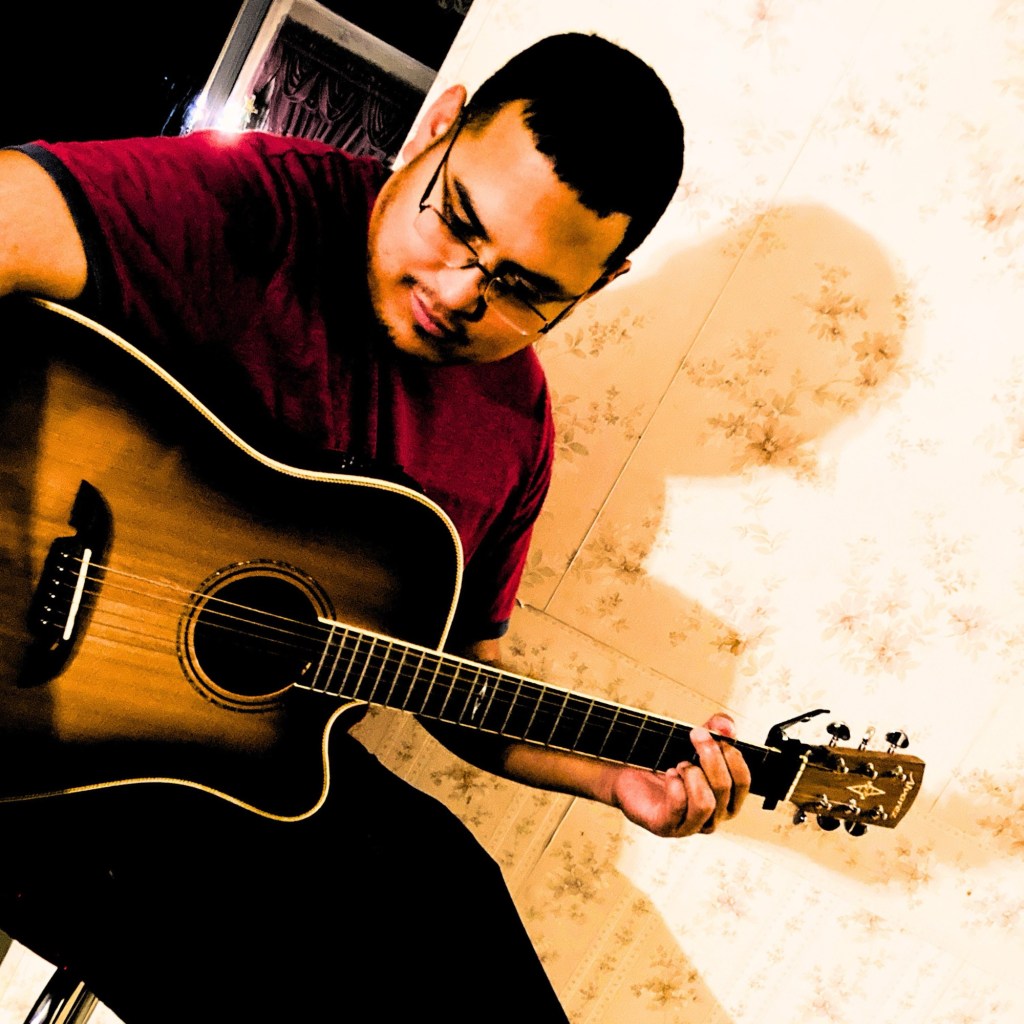
Basic Equipment Needed to Be an Indie Musician: A Complete Beginner’s Guide
Becoming an independent musician has never been more accessible than it is today. Thanks to affordable recording equipment, digital music distribution, and social media, musicians can write, record, release, and promote their music without signing a contract with a major record label.
However, getting started as an indie musician can feel overwhelming when you look at all the equipment available. From microphones and audio interfaces to guitars, studio monitors, and video cameras, there are countless products that promise to help you create professional-quality music.
The good news is that you do not need to purchase everything at once. In fact, many independent musicians begin with a few essential tools and gradually expand their equipment as their skills and careers develop.
Whether you are a singer-songwriter, guitarist, rapper, producer, or Christian musician, understanding the basic equipment you need can help you make smarter investments and avoid spending money on things you do not need.
Here are the essential pieces of equipment every aspiring indie musician should consider.
1. A Computer for Recording and Producing Music
One of the most important pieces of equipment for an independent musician is a computer.
A computer allows you to record songs, edit audio, arrange musical parts, mix recordings, create promotional materials, manage your music files, and distribute your work online.
You do not necessarily need an expensive computer to begin making music. Many entry-level laptops and desktop computers can handle basic recording and production tasks.
However, if you plan to record projects with many audio tracks, use demanding virtual instruments, or work with large sample libraries, you will benefit from a computer with a capable processor, sufficient memory, and enough storage.
A few things to consider when choosing a computer include:
- Processing power: A capable processor helps your recording software run smoothly.
- Memory (RAM): More memory can help when working with multiple tracks and virtual instruments.
- Storage: Music projects and audio recordings can occupy considerable space.
- Connectivity: Make sure the computer supports the connections required by your recording equipment.
A laptop can be particularly useful for independent musicians because it allows you to work at home, rehearse with other musicians, or record while traveling.
If you already own a reasonably capable computer, you can probably use it to begin recording music. Upgrade only when your current setup becomes a genuine limitation.
2. A Digital Audio Workstation (DAW)
A digital audio workstation, commonly called a DAW, is software used to record, edit, arrange, and mix music.
Think of a DAW as the digital equivalent of a recording studio. It allows you to combine vocals, guitars, bass, drums, keyboards, and other instruments into a finished song.
Popular DAWs include:
- GarageBand
- Reaper
- Logic Pro
- Ableton Live
- FL Studio
- Pro Tools
- Studio One
Each program offers different features and workflows. Some are particularly popular for electronic music production, while others are widely used for recording bands, editing vocals, and mixing multitrack projects.
For beginners, GarageBand is an accessible option for compatible Apple devices. Reaper is another popular choice because of its relatively low-cost license and extensive recording capabilities. Other programs may offer free versions or trial periods.
Before purchasing a DAW, consider what type of music you want to make.
A singer-songwriter who primarily records vocals and acoustic guitar may need a straightforward recording workflow. A producer creating electronic music may benefit from software with powerful MIDI sequencing and virtual instruments.
You do not need to own several DAWs to become a successful musician. Choose one that fits your needs and learn how to use it effectively.
3. An Audio Interface
If you want to record vocals, electric guitar, bass, or other instruments directly into your computer, an audio interface is often an essential purchase.
An audio interface connects microphones and instruments to your computer while converting analog audio signals into digital audio that recording software can process.
Many interfaces also provide headphone outputs, monitor connections, and microphone preamps.
For most beginners, a two-input interface is a practical starting point. It allows you to record a microphone and an instrument simultaneously or record two microphones for certain recording situations.
When shopping for an audio interface, look for:
- At least one microphone input if you plan to record vocals.
- Instrument inputs suitable for electric guitar or bass.
- Phantom power if you intend to use a condenser microphone that requires it.
- Headphone and studio monitor connections.
- Compatibility with your computer and recording software.
Brands such as Focusrite, PreSonus, and Universal Audio offer interfaces across different price ranges.
You do not need an expensive interface to produce good music. A reliable entry-level model can provide excellent results when paired with appropriate recording techniques.
If you only produce music using virtual instruments and do not record external audio, you may be able to begin without an interface. However, musicians who want to record live instruments will usually find one extremely useful.
4. A Good Microphone for Recording Vocals
If you sing, rap, record voiceovers, or create music that includes vocal performances, a microphone is another important investment.
The microphone captures your voice and converts it into an audio signal that can be recorded and processed.
Two common microphone categories are dynamic and condenser microphones.
Dynamic microphones are generally durable and can work well in untreated rooms because they are often less sensitive to distant sounds than many condenser microphones. They are commonly used for live vocals and certain studio applications.
Condenser microphones are often used for studio vocals because they can capture subtle details and a broad range of frequencies. However, they may also capture more room noise, so your recording environment matters.
The best microphone depends on your voice, musical style, room acoustics, and budget.
For example, a dynamic microphone may be a sensible choice if you are recording in a bedroom with background noise. A condenser microphone may be suitable if you have a relatively quiet recording space and want to capture detailed vocals.
Remember that an expensive microphone cannot automatically make a poor vocal performance sound professional.
Microphone placement, performance, room acoustics, and recording levels all influence the final result.
Start with a reliable microphone that suits your circumstances, then improve your technique as you gain experience.
5. Headphones for Recording and Mixing
Headphones are essential for many home-recording situations.
They allow you to hear your performance, monitor recorded audio, and listen to a mix without disturbing other people.
Closed-back headphones are particularly useful when recording vocals because they help prevent sound from leaking into the microphone.
Studio headphones are designed for audio work and can be helpful when evaluating recordings. However, different models have different frequency responses, so it is important to learn how your headphones reproduce sound.
When choosing headphones, consider comfort, durability, sound quality, and whether they suit recording or mixing.
You do not necessarily need the most expensive studio headphones available. A dependable pair can help you record effectively and identify problems in your music.
If you are mixing songs, it can also be helpful to listen to your work through several playback systems, such as ordinary earbuds, car speakers, and consumer headphones.
This helps you understand how your music translates outside your studio environment.
6. Studio Monitors or Speakers
Studio monitors are speakers designed for audio production. They help musicians hear their recordings while editing, mixing, and evaluating sound.
Unlike many consumer speakers, which emphasize certain frequencies to make music sound more exciting, studio monitors are generally designed to provide a more balanced presentation.
This can help you identify problems with bass, vocals, instruments, and overall tonal balance.
However, the room itself affects what you hear. Poor room acoustics can make even expensive monitors misleading.
If you are working in a small bedroom, you may not need to purchase studio monitors immediately. A good pair of headphones can help you get started.
When you are ready to expand your setup, consider compact nearfield monitors that suit the size of your room.
Place them appropriately, listen at moderate volumes, and compare your mixes with professionally released music in a similar genre.
The goal is not to own the most expensive speakers. It is to develop the ability to make informed decisions about your recordings.
7. Musical Instruments and Accessories
Of course, the equipment you need also depends on the kind of music you create.
A guitarist may need an electric or acoustic guitar, while a keyboardist may need a digital piano or MIDI keyboard. A drummer may need an acoustic kit or electronic drum set, and a producer may create many parts using virtual instruments.
You do not need every instrument to become an independent musician.
In fact, many successful recordings are built around a small number of carefully chosen musical parts.
Depending on your musical style, useful equipment may include:
- Guitar or bass.
- Keyboard or MIDI controller.
- Drum kit or electronic drum pads.
- Guitar tuner and spare strings.
- Instrument cables.
- Guitar picks and a strap.
- Music stand.
- Metronome or rhythm-training app.
If you are a singer-songwriter, a guitar or keyboard may be enough to begin writing and recording songs.
If you produce hip-hop, pop, electronic music, or other beat-driven genres, a MIDI controller may be useful, although you can also program notes directly into your DAW.
Prioritize the instruments you actually use instead of purchasing equipment simply because other musicians own it.
8. A Recording Space With Good Acoustics
You do not need a professional recording studio to create music independently, but you do need to think about your recording environment.
A room with excessive echo, traffic noise, air-conditioning noise, or other unwanted sounds can make recording difficult.
Fortunately, improving your recording environment does not always require expensive construction.
Start by identifying the biggest problems in your room.
If outside noise is entering your recordings, choose quieter recording times when possible. If your vocals sound excessively reflective or echoey, experiment with recording positions and soft furnishings.
Heavy curtains, rugs, upholstered furniture, and suitable acoustic treatment can sometimes help reduce unwanted reflections, although they do not replace proper sound isolation.
It is also important to understand the difference between acoustic treatment and soundproofing. Acoustic treatment helps manage reflections within a room, while soundproofing aims to reduce sound transmission between spaces and usually requires more substantial construction.
For an indie musician working on a limited budget, a quiet room with sensible microphone placement can be a perfectly reasonable starting point.
Improve your space gradually as your recording needs become more demanding.
9. Music Production Software and Audio Plugins
Your DAW may include many of the tools you need to produce a finished song.
These can include equalizers, compressors, reverbs, delays, virtual instruments, and other audio effects.
Plugins are software tools that add processing or instruments to your recording environment.
For example, an equalizer can help you adjust the frequency balance of a vocal. Compression can control changes in volume. Reverb can create a sense of space, while delay can add echoes and rhythmic interest.
There are also virtual instruments that emulate synthesizers, pianos, strings, drums, and other sounds.
Many DAWs include enough built-in tools to create complete recordings. You can also find free plugins that are useful for learning music production.
Avoid assuming that you need dozens of expensive plugins before you can make professional-sounding music.
Learning how to use a small collection of tools effectively is usually more valuable than constantly purchasing new ones.
Focus on songwriting, arrangement, recording, and mixing fundamentals before investing heavily in additional software.
10. Equipment for Creating Music Videos and Social Media Content
Independent musicians need more than recording equipment. They also need ways to introduce their music to potential listeners.
Music videos, live performance clips, behind-the-scenes footage, and short promotional videos can help you build an audience.
Fortunately, you may already own one of the most useful tools for creating this content: a smartphone.
Modern smartphones can record video suitable for many independent music projects. With good lighting, thoughtful framing, and clear audio, you can create engaging promotional material without purchasing a professional camera.
Useful additional equipment may include:
- A tripod or phone mount.
- An inexpensive lighting kit.
- A microphone suitable for video recording.
- Video editing software.
- An external storage drive for larger projects.
You can use video editing programs such as DaVinci Resolve or other tools that fit your budget and workflow.
For many indie musicians, consistent and engaging content matters more than owning an expensive camera.
Start with the equipment you already have, learn basic editing skills, and upgrade when you identify a specific limitation.
11. A Website and Music Distribution Tools
Although a website and music distribution services are not physical recording equipment, they are important tools for operating independently.
A website can provide a central location for your biography, music, upcoming performances, contact information, and merchandise.
You can also use it to connect with fans and promote your services.
When you are ready to release music, a digital music distributor can help deliver your recordings to streaming platforms such as Spotify and Apple Music. Different distributors have different fees, royalty arrangements, and policies, so compare their terms before choosing one.
You should also maintain organized copies of your recordings, artwork, lyrics, and project files.
Backing up your work is particularly important because losing a finished master or an unfinished project can be extremely frustrating.
Consider keeping copies in more than one location, such as an external drive and a reputable cloud-storage service.
Your goal is to build a reliable system for creating, protecting, releasing, and promoting your music.
12. Build Your Indie Music Setup Gradually
One of the biggest mistakes beginning independent musicians make is spending too much money on equipment before understanding what they actually need.
It is easy to believe that a more expensive microphone, a larger studio, or a collection of premium plugins will automatically improve your music.
However, equipment is only one part of the process.
Songwriting, musical performance, recording technique, mixing skills, and consistent practice all play important roles in the quality of your work.
If you are starting with a limited budget, consider building your setup in stages.
Stage one: Start creating. Use your existing computer, a DAW, your instrument, and any recording tools you already own.
Stage two: Improve your recording quality. Consider an audio interface, microphone, headphones, and appropriate cables if your work requires them.
Stage three: Expand your production capabilities. Add studio monitors, MIDI controllers, instruments, or other tools that address specific needs.
Stage four: Invest in promotion. Improve your website, create music videos, develop promotional content, and explore appropriate music distribution options.
This approach allows you to learn what matters most before spending significant money.
Conclusion
Becoming an independent musician does not require a massive studio or an unlimited budget. With a computer, recording software, appropriate instruments, and a few essential recording tools, you can begin creating and releasing your own music.
As your skills develop, you can gradually invest in equipment that improves your workflow and helps you achieve your musical goals.
Remember that owning equipment is not the same as knowing how to use it. A musician with a modest setup and strong songwriting, recording, and production skills can often accomplish more than someone with an expensive studio but little experience.
Start with what you have, learn the fundamentals, and invest in equipment when it solves a real problem. Your most important assets as an indie musician are your creativity, your willingness to learn, your commitment to improving, and your determination to keep making music.
You do not need to wait until you own the perfect equipment to begin your musical journey. You can start creating today and build your independent music career one step at a time.


Leave a Reply