The Best Music Production Software for Independent Musicians: A Complete Guide
Category: Music Technology | Music Production | Independent Musicians
SEO Title: Best Music Production Software for Independent Musicians
Meta Description: Discover the best music production software for independent musicians. Compare Ableton Live, FL Studio, Logic Pro, Pro Tools, REAPER, and more to find the right DAW for your recording and production needs.
Introduction
Technology has completely transformed the music industry. Today, independent musicians have access to recording and production tools that were once available primarily in expensive professional recording studios. With a computer, a microphone, an audio interface, and the right music production software, artists can write, record, edit, mix, and master their own music without signing a record deal or spending thousands of dollars on studio time.
Whether you are a singer-songwriter, rapper, guitarist, electronic music producer, or instrumental musician, choosing the right music production software can make a significant difference in your creative process.
Music production software, commonly known as a Digital Audio Workstation (DAW), provides the tools needed to turn musical ideas into finished recordings. Modern DAWs offer virtual instruments, audio recording, MIDI editing, sound effects, mixing consoles, automation, and mastering capabilities.
However, with so many programs available, choosing the right one can be challenging. Some applications are designed for electronic music and beatmaking, while others specialize in recording live instruments, songwriting, and professional audio engineering.
In this guide, we will explore some of the best music production software available to independent musicians, discuss their strengths, and explain how to choose the right program for your musical goals and budget.
1. Ableton Live: Best for Electronic Music and Live Performance
Ableton Live is one of the most popular music production programs for electronic musicians, DJs, and independent producers.
Its unique Session View allows musicians to experiment with musical loops, samples, and arrangements without following a traditional linear recording process. This makes it particularly useful for electronic music, hip-hop, dance music, and experimental production.
Some of its notable features include:
- Audio recording and editing.
- MIDI sequencing and arrangement.
- Virtual instruments and synthesizers.
- Built-in audio effects.
- Loop-based music production.
- Live performance capabilities.
- Integration with MIDI controllers.
One of Ableton Live’s biggest advantages is its flexibility. Producers can experiment with different musical arrangements, create beats, manipulate samples, and perform music live using the same software.
Ableton offers several editions, including Intro, Standard, and Suite, allowing musicians to choose a version based on their needs and budget.
Best for: Electronic musicians, DJs, beatmakers, and producers interested in live performance.
Website: https://www.ableton.com/
2. FL Studio: Best for Beatmaking and Independent Producers
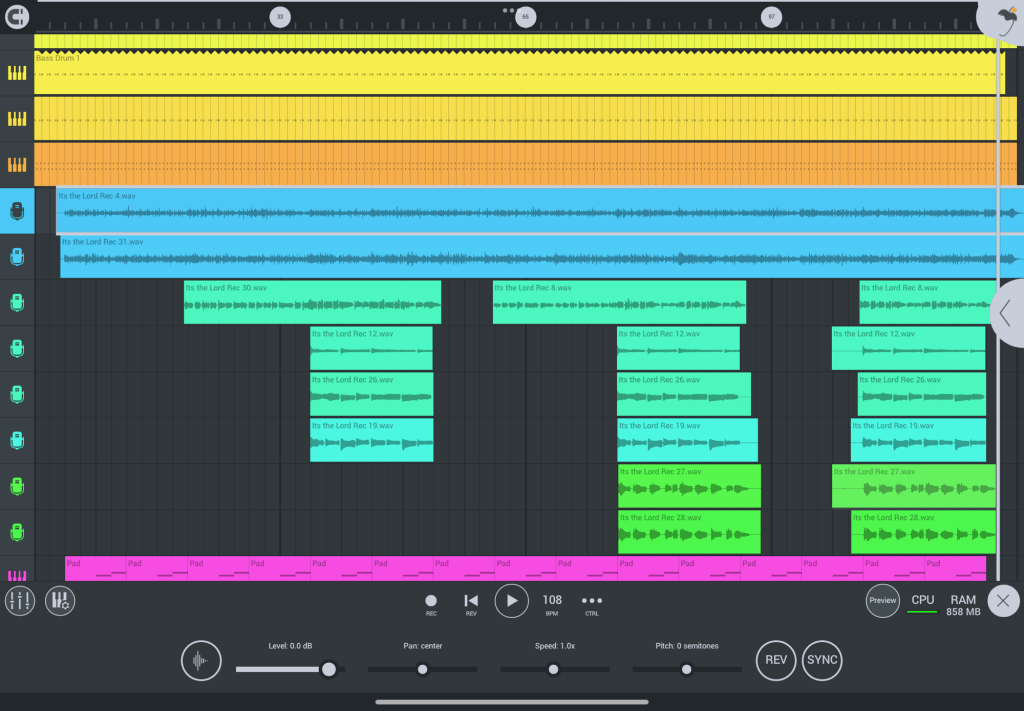
FL Studio, developed by Image-Line, is another excellent choice for independent musicians. It is especially popular among hip-hop, trap, R&B, and electronic music producers.
One of its biggest attractions is its user-friendly interface and pattern-based workflow. Producers can create drum patterns, develop melodies, arrange instruments, and experiment with sounds relatively quickly.
FL Studio includes several useful production tools, such as:
- Step sequencers.
- Piano roll MIDI editing.
- Virtual synthesizers.
- Audio recording and editing.
- Built-in mixing effects.
- Sample manipulation tools.
- Automation features.
The Piano Roll is particularly popular because it makes programming melodies, chords, and drum patterns straightforward.
Another important advantage is Image-Line’s lifetime free updates policy for purchased editions. This can make FL Studio an attractive long-term investment for musicians who want to avoid paying for every major software upgrade.
Its 2026 version also includes AI-powered stem separation and additional production assistance features.
For independent artists who want to create professional beats and complete songs from home, FL Studio is a strong option.
Best for: Hip-hop producers, beatmakers, electronic musicians, and beginners interested in music production.
Website: https://www.image-line.com/fl-studio/
3. Logic Pro: Best for Mac Users and Songwriters
Logic Pro, developed by Apple, is a powerful music production platform designed for macOS and iPadOS.
It offers an extensive collection of virtual instruments, audio effects, recording tools, and mixing capabilities. This makes it suitable for musicians who want an all-in-one production environment.
Logic Pro is particularly attractive to independent singer-songwriters, composers, instrumentalists, and recording artists.
Its features include:
- Multitrack audio recording.
- MIDI composition and editing.
- Virtual instruments and synthesizers.
- Drum production tools.
- Professional mixing effects.
- Audio editing and arrangement.
- Music composition and notation tools.
One of Logic Pro’s greatest strengths is the number of creative tools included with the software. Musicians can access a large collection of sounds and instruments without immediately purchasing additional plugins.
For independent artists who record vocals, guitars, keyboards, and other instruments, Logic Pro provides a complete production environment.
The main limitation is that Logic Pro is not available for Windows computers.
Best for: Mac users, singer-songwriters, composers, instrumentalists, and independent recording artists.
Website: https://www.apple.com/logic-pro/
4. Pro Tools: Best for Professional Recording and Audio Engineering
Pro Tools, developed by Avid, has a long history in professional recording studios and audio production.
It is particularly useful for recording live musicians, editing vocals, tracking instruments, and mixing complex recording sessions.
Independent musicians who regularly work with recording engineers or commercial studios may benefit from learning Pro Tools because it is widely used in professional audio environments.
Some of its important capabilities include:
- Multitrack recording.
- Detailed audio editing.
- Vocal comping and editing.
- Professional mixing tools.
- Audio processing and effects.
- Session management.
- Collaboration and studio workflows.
Pro Tools is especially valuable for musicians who record bands, acoustic instruments, and live performances.
However, its workflow and licensing options may be less attractive to beginners who simply want to experiment with beats or electronic music.
For independent artists interested in developing professional recording and engineering skills, Pro Tools is worth considering.
Best for: Recording artists, audio engineers, producers, and musicians working with professional studios.
Website: https://www.avid.com/pro-tools
5. REAPER: Best Affordable Music Production Software
REAPER is an excellent option for independent musicians who want powerful recording and editing capabilities without spending a fortune.
Developed by Cockos, REAPER is known for its flexibility, customization options, and relatively affordable licensing.
It supports Windows, macOS, and Linux, making it accessible to musicians using different computer platforms.
Some of its features include:
- Multitrack audio recording.
- MIDI recording and editing.
- Audio processing and mixing.
- Automation.
- Customizable interface.
- Plugin support.
- Flexible routing capabilities.
One of REAPER’s biggest advantages is its efficiency. It is relatively lightweight compared with some larger music production applications, which can make it appealing to musicians working with older or less powerful computers.
REAPER also supports a wide range of third-party plugins, allowing users to customize their recording environment.
The downside is that beginners may need time to learn its interface and configure certain features.
Nevertheless, its affordability and flexibility make it a particularly attractive option for independent musicians working with limited budgets.
Best for: Budget-conscious musicians, home recording artists, guitarists, and experienced producers who enjoy customizing their software.
Website: https://www.reaper.fm/
6. GarageBand: Best Free Starting Point for Mac and iPhone Users
GarageBand is Apple’s entry-level music production software and one of the easiest ways for beginners to start recording music.
It provides a simple introduction to digital recording without requiring expensive equipment or professional production knowledge.
GarageBand includes:
- Virtual instruments.
- Digital drum kits.
- Audio recording.
- Guitar and bass effects.
- MIDI editing.
- Basic mixing tools.
- Built-in loops and samples.
Independent musicians can use GarageBand to record song ideas, develop arrangements, experiment with instruments, and produce demos.
It is particularly useful for singer-songwriters who want to record vocals and acoustic instruments at home.
As musicians develop their skills, they may eventually want to move to a more advanced DAW such as Logic Pro.
The biggest advantage is accessibility. GarageBand provides a practical starting point for musicians who are not ready to invest in professional production software.
Best for: Beginners, singer-songwriters, students, and musicians using Apple devices.
Website: https://www.apple.com/mac/garageband/
7. Cubase: Best for MIDI Composition and Musical Arrangements
Cubase, developed by Steinberg, is another powerful music production platform used by composers, producers, and recording professionals.
It is particularly respected for its MIDI editing capabilities and advanced composition tools.
Musicians working with virtual instruments, orchestral arrangements, film scores, and complex musical compositions may find Cubase especially useful.
Its capabilities include:
- Advanced MIDI editing.
- Audio recording.
- Virtual instruments.
- Music notation.
- Mixing and automation.
- Arrangement tools.
- Audio effects and processing.
Cubase is a versatile choice for musicians who want detailed control over musical arrangements.
It is available for both Windows and macOS, making it accessible to a broad range of independent producers.
Best for: Composers, keyboard players, instrumentalists, and musicians creating complex arrangements.
Website: https://www.steinberg.net/cubase/
8. Bitwig Studio: Best for Creative Sound Design
Bitwig Studio is an innovative music production platform designed for electronic musicians and experimental producers.
Its modular approach to sound design and extensive modulation capabilities make it particularly interesting for musicians who enjoy creating unusual sounds.
Features include:
- Audio and MIDI recording.
- Modular sound design.
- Virtual instruments.
- Advanced modulation.
- Audio effects.
- Automation.
- Clip-based music production.
Bitwig offers a flexible environment for experimenting with synthesizers, sound textures, samples, and electronic arrangements.
It is especially attractive to producers interested in exploring sounds beyond traditional instruments.
Best for: Electronic musicians, sound designers, experimental producers, and synthesizer enthusiasts.
Website: https://www.bitwig.com/
9. Waveform Free: Best Free Alternative for Independent Producers
Waveform Free, developed by Tracktion, is worth considering for musicians who want to begin producing music without purchasing a DAW.
It provides many of the essential features required to record and arrange music.
These include audio recording, MIDI sequencing, mixing, editing, and support for compatible plugins.
For independent musicians who are experimenting with music production or learning how digital recording works, a free application can be an excellent starting point.
Although it may not offer every advanced feature available in premium software, it can provide enough functionality to develop complete musical projects.
Best for: Beginners, independent producers, and musicians looking for a no-cost starting point.
Website: https://www.tracktion.com/products/waveform-free
10. How to Choose the Right Music Production Software
Choosing a DAW should depend on your musical goals, computer, budget, and preferred production workflow.
Before purchasing software, consider the following questions:
What type of music do you produce?
Hip-hop producers may prefer FL Studio, while electronic musicians may enjoy Ableton Live. Singer-songwriters using Apple computers may prefer Logic Pro or GarageBand.
What computer do you own?
Some applications work across Windows and macOS, while others are platform-specific. Check system requirements before purchasing.
What is your budget?
You do not need the most expensive software to create professional music. Free and affordable programs can provide everything a developing musician needs.
Do you record live instruments?
If you regularly record vocals, guitars, drums, and other instruments, look for software with strong multitrack recording and editing capabilities.
Do you collaborate with other musicians?
Consider which programs your collaborators, recording engineers, and studios use. Sharing compatible project files can make collaboration easier.
Most importantly, take advantage of free trials and introductory editions whenever available. Try creating an actual song in each program before committing to a purchase.
Conclusion: The Best Music Production Software Is the One That Fits Your Creative Vision
Independent musicians have more opportunities than ever to create professional-quality recordings from home. Modern music production software makes it possible to write, record, arrange, mix, and master music without depending entirely on traditional recording studios.
Ableton Live is an excellent choice for electronic music and live performance. FL Studio is particularly attractive to beatmakers and hip-hop producers. Logic Pro provides an impressive all-in-one production environment for Mac users, while Pro Tools remains a strong option for professional recording and audio engineering.
REAPER offers outstanding flexibility for budget-conscious musicians, GarageBand provides an accessible starting point for beginners, and Cubase and Bitwig offer specialized creative capabilities.
There is no single DAW that is perfect for everyone.
The most important thing is to choose software that supports your creativity rather than getting distracted by endless features and expensive plugins.
Independent musicians should focus on learning their tools, developing their sound, improving their recording skills, and finishing their music.
Remember, great music comes from creativity, dedication, and practice. The software is simply the tool that helps bring your musical vision to life.


Leave a Reply