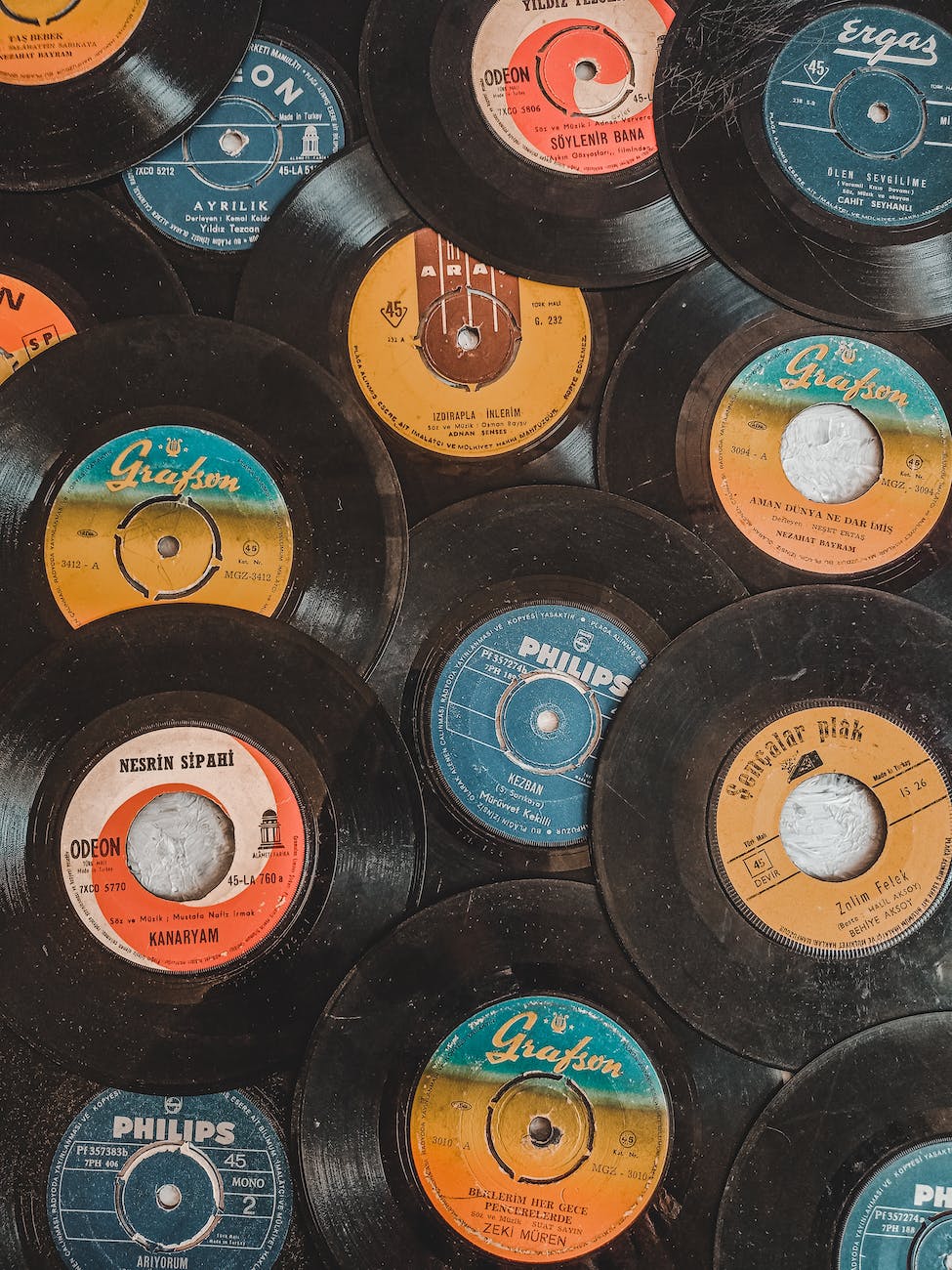
Hey everyone! So today, I’m going to show you guys how to get into a major record label.
Before we get into that, let’s have our moment of silence.
At this time, I would like all of us to take a moment of silence and pray to God to help us to become the musician that he wants us to become. Take a minimum of 5 minutes and pray for this.
Now back to the show
How to get into a major record label? Starting off small.

How to Get Signed by a Major Record Label: A Complete Guide for Independent Artists
Getting signed by a major record label is a dream for many musicians. Major labels have the resources to help artists record music, promote releases, reach larger audiences, distribute music internationally, and develop their careers. However, getting a record deal is not simply a matter of sending a song to a label and waiting for someone to call.
The music industry has changed dramatically. Independent artists can now record professional music, distribute songs worldwide, build an audience, and demonstrate their potential without being signed first. As a result, many artists approach major labels after they have already developed music, an audience, and a recognizable identity.
If you want to get signed by a major record label, your goal should not simply be to convince a label that you want a record deal. You should demonstrate why investing in you makes sense.
Here are the steps you can take to make yourself more attractive to major record labels.
1. Develop Your Sound
Before approaching a major record label, you need to know what kind of artist you are.
Your sound does not have to fit perfectly into an existing genre. In fact, developing a distinctive sound can help you stand out. But you should have a clear artistic identity.
Ask yourself:
- What genre or genres describe my music?
- What makes my music different?
- Who is my target audience?
- What artists have influenced me?
- What emotions do I want my music to create?
- What do I want listeners to remember about me?
If you are a Christian musician, for example, you may combine Christian themes with pop, hip-hop, rock, R&B, country, worship, or another style.
Your music should communicate who you are rather than simply attempting to imitate whatever artist is currently popular.
2. Write Strong Songs
A major-label artist needs strong material.
You can have excellent marketing, social media numbers, and professional photographs, but if your songs aren’t compelling, those other elements may not be enough.
Spend time improving your songwriting.
Work on:
- Melodies
- Lyrics
- Choruses
- Song structure
- Hooks
- Verses
- Bridges
- Vocal performances
- Instrumentation
- Production
Your strongest songs should be the ones you use when introducing yourself to industry professionals.
Don’t send ten average songs simply because you have ten songs available. It can be more effective to have a small collection of songs that represent your best work.
3. Record Professional Music
You don’t necessarily need an enormous recording budget, but your music should sound professional.
Major labels are accustomed to hearing professionally produced recordings. If your recording quality makes it difficult to hear your songwriting or performance, you may make it harder for someone to recognize your potential.
Depending on your situation, you might work with:
- A music producer
- Recording engineer
- Mixing engineer
- Mastering engineer
- Session musicians
- Songwriters
- Vocal coaches
You can also learn to produce music yourself.
The important thing is that your final recording should represent the level of artist you want to become.
4. Build an Audience Before Getting Signed
One of the strongest things you can bring to a record label is an existing audience.
You don’t necessarily need millions of followers. What matters is demonstrating that real people care about your music.
Build your audience through platforms such as:
- Spotify
- Apple Music
- YouTube
- TikTok
- Your website
- Email newsletters
- Live performances
Pay attention to engagement rather than simply collecting follower numbers.
An artist with a smaller but highly engaged audience can have valuable information about who listens to their music and why.
5. Release Music Independently
You don’t have to wait for a major label before releasing music.
Independent distribution services allow artists to release music to major streaming platforms without signing a traditional record deal.
Releasing music can help you learn what works.
You can observe:
- Which songs receive the most streams
- Which songs generate saves
- Which songs receive the most shares
- Where your listeners live
- Which social-media posts perform best
- Which songs attract new listeners
- Which releases generate repeat listeners
This information can help you become a more knowledgeable artist.
6. Build Your Streaming History
Streaming numbers are not the only measure of an artist’s potential, but they can demonstrate that people are listening.
Rather than obsessing over a single number, look at your overall growth.
For example, suppose you release a song and it receives 100 streams. Your next song receives 300. Your third receives 800. Then another reaches 2,000.
That progression tells a different story from releasing ten songs that all remain at approximately the same level.
Growth can demonstrate that your audience is expanding.
7. Develop Your Social Media Presence
Record labels also pay attention to how artists connect with audiences.
You should use social media to give people a reason to follow you beyond simply telling them to stream your music.
You could post:
- Behind-the-scenes recording videos
- Songwriting videos
- Live performances
- Acoustic versions
- Short clips of unreleased songs
- Stories about your songs
- Music-production content
- Personal updates
- Collaborations
- Interviews
- Music videos
If you are a Christian artist, you might also share your faith, songwriting process, testimony, encouragement, and the stories behind your songs.
Your social media should feel like an extension of your artistry.
8. Create a Professional Artist Brand
Your artist identity extends beyond your music.
Think about your:
- Artist name
- Logo
- Photography
- Album artwork
- Website
- Social-media profiles
- Biography
- Visual style
- Live presentation
Everything should communicate a reasonably consistent identity.
You don’t need to spend thousands of dollars creating an elaborate brand.
Consistency is often more important than extravagance.
9. Build a Professional Website
Your website can serve as a central location for your music and career information.
A professional artist website can include:
- Your biography
- Music
- Music videos
- Press photos
- Upcoming performances
- Contact information
- Social-media links
- Press coverage
- Booking information
- Your accomplishments
If someone in the music industry hears your song and wants to learn more about you, make it easy for them to find everything they need.
10. Perform Live
Live performance can help you develop both your musicianship and your audience.
Look for opportunities to perform at appropriate venues and events.
Depending on your genre, these might include:
- Concerts
- Festivals
- Churches
- Coffee shops
- Open mic nights
- Community events
- Songwriter events
- Local music venues
- College events
Performing gives you an opportunity to become a better performer while meeting other musicians and industry professionals.
11. Build Relationships in the Music Industry
Networking can be extremely valuable.
That does not mean walking into every industry event asking people for a record deal.
Instead, build genuine professional relationships.
Get to know:
- Other musicians
- Producers
- Songwriters
- Managers
- Booking agents
- Promoters
- Music journalists
- Radio professionals
- Playlist curators
- Music supervisors
- Industry organizations
Relationships can eventually lead to introductions and opportunities.
Be professional and respectful. Don’t treat every person you meet as nothing more than a potential connection to a record label.
12. Research Record Labels Carefully
Not every record label is appropriate for every artist.
Research labels before contacting them.
Look at:
- The artists they represent
- Their genres
- Their recent releases
- Their geographic focus
- Their submission policies
- Their current roster
- Their relationship with independent artists
If you are a Christian musician, research labels that actually work with Christian music or artists whose music fits your artistic direction.
Don’t send the exact same generic message to every label.
13. Find Out How the Label Accepts Demos
Some record labels accept unsolicited submissions. Others do not.
Always check the label’s current submission requirements before sending music.
A label might request:
- Streaming links
- Private music links
- A short biography
- Social-media information
- Contact information
- Press materials
- Specific file formats
Follow the instructions.
If a label says it does not accept unsolicited demos, repeatedly sending music may not improve your chances.
14. Make Your Pitch Short
Industry professionals are busy.
Your introduction should quickly communicate:
- Who you are
- What type of music you make
- Why you are contacting the label
- Your strongest accomplishments
- Where they can hear your music
Avoid sending an enormous autobiography in your first message.
Give the recipient enough information to become interested and then provide links where they can learn more.
15. Create an Electronic Press Kit
An electronic press kit, often called an EPK, can make it easier for industry professionals to learn about you.
Your EPK can include:
- Artist biography
- Professional photographs
- Music links
- Music videos
- Streaming statistics
- Social-media statistics
- Press coverage
- Notable performances
- Contact information
Keep it organized and professional.
Don’t include every accomplishment you’ve ever had. Focus on information that demonstrates your current momentum.
16. Work on Your Live and Online Numbers
Numbers aren’t everything, but they can provide evidence of your progress.
You can track:
- Monthly listeners
- Streams
- Followers
- Video views
- Engagement
- Email subscribers
- Concert attendance
- Website traffic
- Social-media growth
More importantly, track how these numbers change.
A steadily growing audience can be more informative than a single impressive number without context.
17. Consider Working With a Manager
As your career develops, you may eventually benefit from professional management.
A manager can potentially help with:
- Career strategy
- Industry relationships
- Opportunities
- Scheduling
- Negotiations
- Team building
However, don’t assume that you need a manager immediately.
Be careful about anyone who makes unrealistic promises or demands large amounts of money in exchange for guaranteeing a record deal.
Research anyone you are considering working with.
18. Don’t Pay Someone Who Guarantees You a Record Deal
Be cautious when someone claims they can guarantee a major-label contract if you pay them.
No legitimate professional can guarantee that a major record label will sign you.
Be especially cautious about claims such as:
“Pay me $2,000 and I’ll guarantee a record deal.”
A legitimate business relationship should have clearly explained services and terms.
Always research companies and individuals before sending money.
19. Understand That a Record Deal Isn’t the Beginning of Your Career
A common misconception is that signing with a major label automatically creates a successful career.
A record deal can provide resources, but the artist still has to develop music, connect with listeners, perform, promote releases, and build a career.
You should therefore approach a label with the mindset:
“I am building a music career, and a record label could potentially help me grow it.”
That mindset is different from:
“I need a label to make my music career happen.”
20. Continue Improving Even If Labels Don’t Respond
One of the hardest parts of pursuing a record deal is dealing with rejection or silence.
You may contact labels and never receive a response.
That doesn’t necessarily tell you everything about the quality of your music.
Labels receive many submissions, and their business priorities change.
Keep developing your music.
Keep writing.
Keep recording.
Keep performing.
Keep building your audience.
Keep learning.
Your career does not have to stop because one company says no.
21. Consider Whether You Actually Need a Major Label
The modern music industry provides independent artists with opportunities that were much harder to access in previous decades.
An independent artist can now:
- Record music
- Distribute internationally
- Build an audience
- Sell merchandise
- Perform live
- Build a website
- Create videos
- Promote music through social media
- Communicate directly with fans
That means signing with a major label is not the only possible definition of success.
For some artists, independence may be the preferred path. For others, the resources and infrastructure of a label may be attractive.
The important thing is to understand what you want from your career.
22. Protect Your Rights
If a label becomes interested in you, don’t immediately sign a contract simply because you’re excited.
Record contracts can involve complicated issues involving:
- Ownership
- Recording rights
- Publishing
- Royalties
- Advances
- Recoupment
- Licensing
- Distribution
- Contract length
- Options
- Exclusivity
Have an experienced entertainment attorney review a contract before signing it.
Understanding the agreement is extremely important.
23. Keep Developing Your Songwriting
Even after you begin attracting industry attention, continue improving your songwriting.
Write regularly.
Study songs you admire.
Analyze why certain choruses work.
Experiment with different structures.
Collaborate with other writers when appropriate.
Listen critically to your own recordings.
Your songwriting ability is one of the foundations of a sustainable music career.
24. Create a Long-Term Strategy
Getting signed to a major label shouldn’t be your only goal.
Create several measurable goals.
For example:
Music goals
- Release four singles
- Record an EP
- Write 50 songs
- Improve vocal performance
Audience goals
- Increase monthly listeners
- Grow social-media engagement
- Build an email list
Performance goals
- Perform 20 shows
- Open for another artist
- Play a festival
Industry goals
- Contact appropriate labels
- Meet producers
- Build relationships with music professionals
This gives you multiple ways to measure progress.
How Long Does It Take to Get Signed?
There is no standard timeline.
Some artists attract industry attention quickly. Others spend years developing their careers before receiving serious interest.
Don’t assume that failing to get signed within a few months means you’re not talented enough.
Music careers often develop gradually.
Your focus should be on building something that becomes increasingly difficult for the industry to ignore: strong music, a clear identity, a growing audience, professional presentation, and consistent progress.
What Should You Send to a Record Label?
When a label accepts submissions, keep your materials organized.
A basic submission might include:
Artist name: Your professional name
Genre: Your primary genre
Short biography: A few sentences explaining who you are
Best song: Your strongest current recording
Additional music: One or two additional songs if requested
Website: Your central online presence
Social media: Your primary platforms
Streaming links: Where people can listen
Notable achievements: Important accomplishments or statistics
Don’t overwhelm the recipient.
Your objective is to make it easy for them to understand who you are and hear your music.
Final Thoughts
Getting signed by a major record label is difficult, but you don’t have to wait for a record deal before beginning your music career.
Start by developing great songs.
Record them professionally.
Build an audience.
Release music.
Perform.
Create a strong artist identity.
Develop relationships.
Research labels carefully.
Follow submission instructions.
Track your progress.
And continue improving.
The most important thing is to build a music career that has value even before a major record label becomes involved.
If a label eventually sees what you have built and believes it can help you grow, you’ll be approaching the conversation from a much stronger position than an artist who simply sends a message saying, “Please sign me.”
Your goal shouldn’t simply be to get signed.
Your goal should be to become the kind of artist who has built something worth investing in.

Broadcast
I sure hope that I have been an inspiration and a hope to you all. Please remember to pray, read your bible, go to church, and love God above all else. Like, comment, share, subscribe, and I will see you all next time.
Remember if you want to go to heaven, then believe in Jesus and you will go to heaven. (John 3:16)
Thank you all for listening in on this blog post. German Gonzalez, signing out!
Here is a link to an article I found that explains more on how to get signed by a label.
Here is another link to another post that I wrote that explains the reasoning behind being signed to a record label. This post was meant more to supplement this post that you just read just now.
Make a one-time donation
Make a monthly donation
Make a yearly donation
Choose an amount
Or enter a custom amount
Your contribution is appreciated.
Your contribution is appreciated.
Your contribution is appreciated.


Leave a Reply